


Description
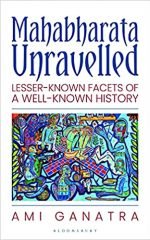
Embedded within the primary narrative of the Mahabharata lie numerous sub-tales known as upakhyaanas or upakathas. These lesser- known stories play a vital role in completing the grand tapestry of the Mahabharata, thus giving this book its apt title. Unlike verse translations found in unabridged versions, the 67 upakathas presented here serve a different purpose. While they may appear as diversions, these narratives serve as vital threads, connecting the text and offering answers to lingering questions that readers may have.
For instance, why did Ambaa, the princess of Kaashi, become the catalyst for Bheeshmas demise in a later life? The Ambaa upakhyaana holds the answers. Similarly, the stories of Sage Parashuraama reveal why a brahmana like him possessed warrior-like qualities. Two upakhyaanas shed light on this enigma. Additionally, the Yayaati upakhyaana elucidates the reasons behind the Kurus descending from Puru, Yayaatis youngest son, rather than the eldest. Moreover, the intriguing dialogue between Duryodhana and Shalya, where Duryodhana persuades Shalya to become Karnas charioteer, is also explored in these Upakathas.
Publisher : BluOne Ink ; Pages : 464 ; Paperback

gunduhuduga – :
Mahabharatha for time immemorial has been the singular source of numerous tenets on dharma, Nyaya etc. It is often said that there are no problems of life whose reference and solutions can’t be found in the Panchama Veda i.e. Mahabharatha. However, reading, understanding & comprehending the finer nuances of the esoteric knowledge embedded in this magnum opus is a herculean task. This is simplified in the original text itself where the finer points of dharma are conveyed through multiple stories embedded across various situations. Stories are an effective medium to convey the intricacies of the points being made, while capturing the imagination of the reader.
Abhinav Agarwal’s magnificent book contains 67 such upa kathas or hidden stories from the original Mahabharatha. Written in a very easy to comprehend manner, these stories convey the finer points of dharma from multiple reference points of view. While the stories themselves are interesting, the reader is taken through the entire journey of Pandavas through their trials and tribulations with these upa kathas giving them a source of inspiration to tread the path of Dharma. Not surprisingly, many of these stories come from the conversation between Yudhishtira and Bheeshma just after the war has ended. The author has to be commended for ensuring the continuity of the sequence i.e. maintaining the chronology throughout the narrative.
Every reader will have their own unique experience of reading this book. In my personal case, I was happy to learn some new stories, reaffirm old ones and gain some interesting alternate perspective on specific ones. The book is quite detailed with lot of information, information that we don’t generally focus upon. For example, the names of the 4 shaarangaka birds who were saved from the Khandavaprastha fire, the age of Drona during battle are quite detailed. Across the entire narrative, Yudhishtira acts as a catalyst to impart these tenets of dharma to the humanity by posing question to learned Sages and Bheeshma.
The book also has a very concise form of Ramayana, with an interesting anecdote on Vibheeshana and why he was granted immortality by Brahma. One of my personal favourites was the story of “Victory of Indra” narrated by Shalya to Yudhishtira reaffirming that his woes too would end one day. A story filled with multiple nuggets of information and inspiration. The battle between Bheeshma and his preceptor Parashurama is wonderfully narrated. I found a very interesting information (new learning) about the 7 forms of Saraswati river in the Indra Namuchi episode. However, the most interesting dharmic debate is the one which occurs in the mind of Chirakaari when his father Gautama gives him a command which triggers a waterfall of conflicts, all based on Dharma. Don’t miss this chapter for it’s one of the finest in terms of dharmic treatise.
This is a book for all, young and old alike. Abhinav Agarwal needs to be applauded for his research and meticulous attention to detail in bringing out this amazing must-read, must have book. HIGHLY RECOMMENDED !!!